The department is home to over 250 students including 90 graduate students. We offer an exciting and innovative range of taught courses, and have a strong community of research students. Archaeology and Anthropology have been studied at the University of Bristol since its foundation in 1876, and a new Department of Archaeology and Anthropology was formed in 2004 to unite the two fields.
What they say:
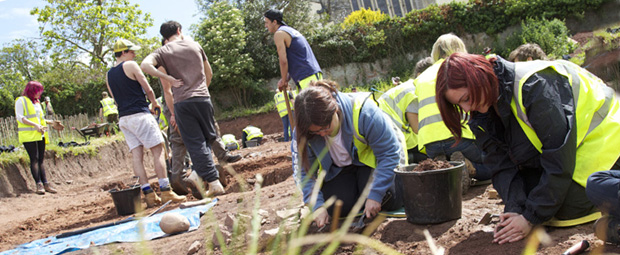 In particular, our archaeological research is focused in human origins and bioarchaeology; European prehistory; Mediterranean archaeology and anthropology; historical archaeology, geophysics and landscape archaeology. Our anthropological research is focused on ethnicity and identity; environmental anthropology; religion; kinship; political anthropology. Staff members are leading experts in their fields, and students have the opportunity to learn from their first-hand knowledge and experience and to participate in their projects. Currently members of staff are directing fieldwork and research projects in the UK, Mediterranean, Central and East Africa, India, Lower Central America, and the Caribbean. We also have strong interests in the Bristol area, and students have opportunities to participate in evaluation, research and rescue projects locally. A thriving Continuing Education programme offers part-time degree programmes, as well as a number of shorter courses and day-schools.
The relatively small size of the Department means there is a friendly and informal atmosphere. Undergraduates, graduates and staff have many opportunities to work and socialise together, through seminars, field trips and fieldwork. There is also the student-organised Archaeology & Anthropology Society, which hosts a lively series of guest lectures on archaeological and anthropological topics each year.
What we say:
 A small and friendly department with steadily expanding research interests including; human origins and bioarchaeology; European prehistory; Mediterranean archaeology and anthropology; historical archaeology, geophysics and landscape archaeology. The department can also boast Professor Mick Aston of Time Team fame as an honorary member of staff the department also offers an MA in Archaeology for screen Media.